Discover how absenteeism influences workplace productivity, what triggers it, and actionable remedies—along with the formula to compute absence rate accurately.
Absenteeism has always been a recurring theme in the HR universe. Even with strong leave policies in place, excessive time off can disturb team workflows and hinder organizational progress. While taking time off is healthy, habitual unexplained leaves disrupt coordination, reduce efficiency, and impact the work culture.
In this comprehensive guide, we explore the meaning of absenteeism, its root causes, long-term implications, types, preventive strategies, and how to calculate the absenteeism rate with ease.
What is Absenteeism?
Absenteeism refers to repeated absence from work without legitimate justification. Simply taking approved leave doesn’t count as absenteeism. Instead, it becomes a concern when an employee regularly exceeds the allotted sick, casual, or paid leaves without notice.
This behavior signals declining morale and adversely affects productivity, engagement, and the overall work environment.
Absence vs Absenteeism: What’s the Difference?
Absence is pre-planned and approved leave.
Absenteeism is frequent, unplanned absence without proper reason or communication.
| Aspect | Absence | Absenteeism |
|---|---|---|
| Definition | Occasional time away from duty | Regular, unjustified missing of work |
| Frequency | Low | High |
| Validity | Valid reasons | Invalid or no explanation |
| Impact | Minimal disruption | High disruption |
Types of Absenteeism & How to Manage Them
1. Authorized Absenteeism
Employees follow proper procedure to request leave.
Tip: Maintain clear communication channels and standardized approval processes.
2. Unauthorized Absenteeism
Absence without approval or prior notice.
Tip: Create a transparent attendance policy with defined consequences.
3. Stress-Related Absenteeism
Employees take irregular breaks due to burnout or pressure.
Tip: Introduce wellness programs, counseling, and workload balancing.
4. Absenteeism from Job Dissatisfaction
Low motivation, poor leadership, or hostile culture can lead to frequent leave.
Tip: Conduct regular feedback sessions and improve communication.
5. Chronic Absenteeism
Consistent patterns of absenteeism indicating deeper issues.
Tip: Offer flexibility, counseling, and managerial support.
6. Emergency Absenteeism
Unavoidable events requiring immediate leave.
Tip: Implement empathetic, flexible emergency leave rules.
Top Reasons Behind Absenteeism
- Family responsibilities and emergencies
- Personal medical needs
- Stress and workplace pressure
- Mental health struggles
- Burnout due to workload
- Long and exhausting work hours
Impact of Absenteeism on the Workplace
High absenteeism leads to:
- Financial losses and inflated payroll costs
- Reduced team productivity
- Lower morale and disrupted workflows
- Long-term decline in company performance
How to Reduce Absenteeism
- Encourage open communication with employees
- Hold regular team check-ins
- Build strong manager-employee relationships
- Offer rewards for good attendance
- Implement clear attendance policies
- Provide development and growth pathways
How to Calculate the Absenteeism Rate
Use the formula:
Absenteeism Rate = (Number of Absences ÷ (Employees × Workdays)) × 100
Example:
10 employees × 250 workdays = 2500 total possible workdays
50 unexcused absences
Absenteeism Rate = (50 ÷ 2500) × 100 = 2%
What Is a Healthy Absenteeism Rate?
A desirable absenteeism rate is around 1.5%. Anything above that may indicate underlying issues such as stress, lack of engagement, or workload imbalance.
How Much Absenteeism Should Be Tolerated?
If an employee takes two or more unauthorized leaves within a 30-day period, disciplinary action is typically justified.
Employee Traits That Cause High Absenteeism
- Job dissatisfaction
- Poor work-life balance
- Stress and burnout
- Low motivation
- Ineffective leadership
Traits Linked to Lower Absenteeism
- Positive culture
- Supportive management
- Employee recognition
- Career development opportunities
What Employers Can Do
1. Use Modern Attendance Software Like Peoplo
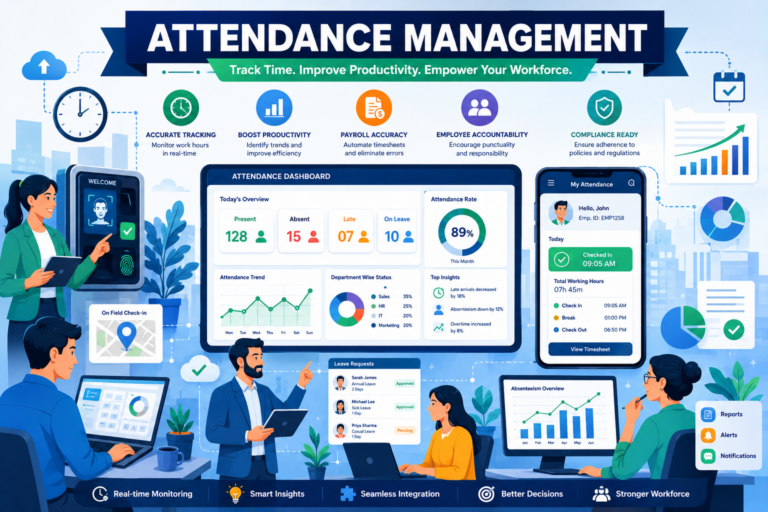
Peoplo’s automated attendance tracking system helps HR teams monitor working hours, track absenteeism patterns, and generate real-time reports. This ensures transparency and promotes accountability across the workforce.
2. Strengthen Employee Engagement
Encourage honest conversations and create a supportive work atmosphere. Understanding employee challenges helps HR take corrective action proactively.
Sample Absenteeism Warning Letter (Code Block)
Date:

Subject: Attendance Warning

Dear [Employee Name],

This letter serves as an official warning regarding your frequent
unapproved absences. Despite previous verbal reminders, your attendance
has not improved. Your absenteeism is impacting team productivity.

You are expected to show immediate improvement. Failure to do so may
lead to further disciplinary action.

Sincerely,
[Manager Name]
Conclusion
Absenteeism is an ongoing HR challenge that affects operations, productivity, and employee morale. Understanding the causes—and adopting smart attendance tools like Peoplo—can help organizations reduce absenteeism significantly. A modern, automated time-tracking system fosters trust, transparency, and improved workforce performance.
 peoplo.io